Tracing Bonus Pathways: Zero-Cost Entries Evolving Into Matched Contributions and Sustained Rewards

Zero-cost entries function as initial access points in many online gaming environments, allowing participants to engage with slot titles without immediate financial outlay. These entries typically appear in the form of free spins or trial credits distributed through registration processes or promotional campaigns. Observers note that such mechanisms serve to introduce users to platform mechanics while establishing baseline engagement patterns that operators track through account activity logs.
Data from various gaming associations indicates that these zero-cost offers often include specific wagering requirements tied to any generated winnings. Players complete verification steps before accessing funds, and operators apply standard terms across multiple jurisdictions. Research from industry reports highlights how these entry-level incentives create measurable retention metrics during the first 30 days of account activity.
Mechanics Behind Initial Zero-Cost Access
Platforms structure zero-cost entries around defined parameters including maximum bet sizes, eligible game selections, and expiration timelines. Those who've examined these systems find that operators segment offers by player acquisition channels, with email campaigns and affiliate partnerships delivering distinct credit amounts. June 2026 figures from regulatory filings across multiple regions show consistent usage rates for these entry points among newly registered accounts.
Verification protocols require identity confirmation before players convert any winnings from zero-cost entries. Systems automatically apply contribution rates to different game types, ensuring slot play advances progress toward release conditions at predictable intervals. External data sources confirm that these automated processes reduce administrative overhead while maintaining compliance standards.
Transition Points to Matched Contributions
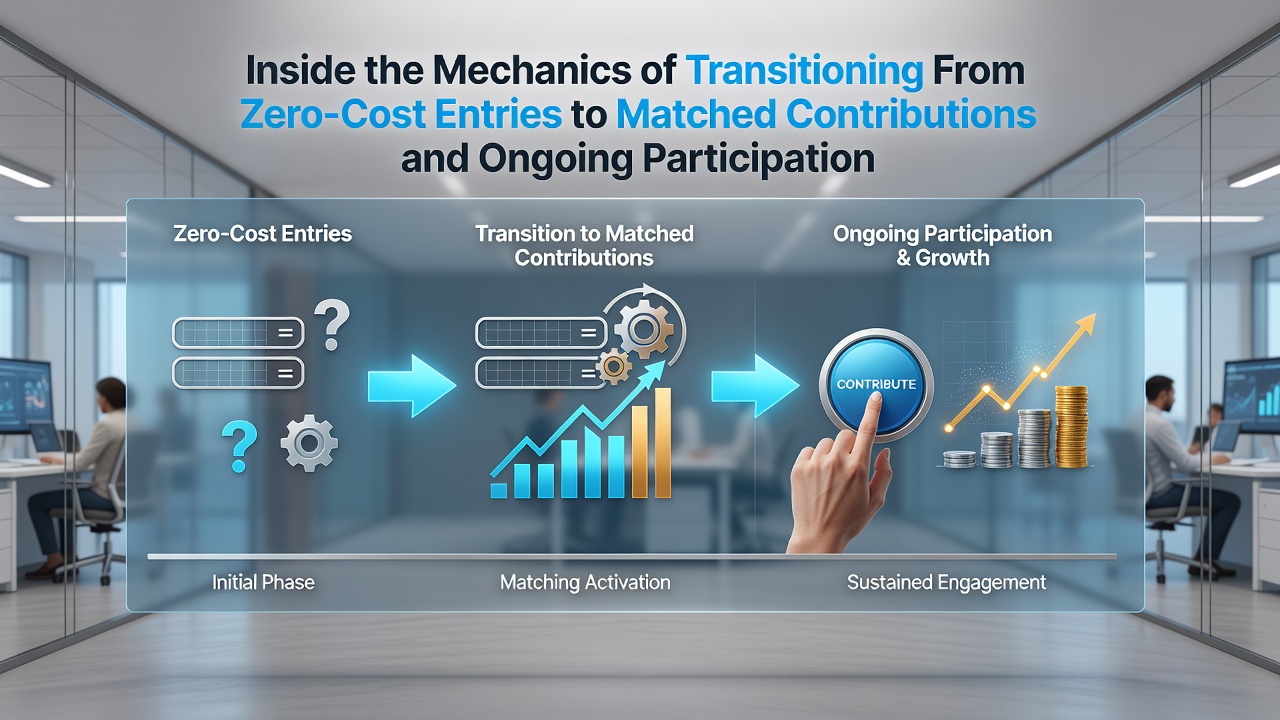
Matched contributions activate once players complete initial deposit actions following zero-cost engagement. Operators calculate match percentages based on deposit tiers, with lower amounts receiving higher relative boosts in many documented cases. Studies conducted by research institutions reveal that these matches frequently carry their own wagering multipliers separate from earlier free-entry conditions.
Progress tracking occurs through centralized player dashboards that display remaining requirements in real time. Accounts transition automatically when deposit thresholds are met, and bonus funds appear alongside standard balances. Figures released by the American Gaming Association demonstrate steady uptake of matched offers among users who began with zero-cost trials in comparable markets.
Accumulation of Ongoing Perks Through Loyalty Structures
Loyalty frameworks extend beyond single transactions by assigning points based on total wagered amounts across all activity types. Participants accumulate tier status through consistent play, unlocking additional benefits such as cashback percentages and exclusive game access. Those monitoring these systems report that point expiration policies vary by operator, with some resetting balances annually while others maintain rolling windows.
VIP programs integrate data from both zero-cost and matched phases to determine eligibility for higher reward brackets. Operators issue personalized offers once accounts reach predetermined point thresholds, and these incentives often include accelerated point earning rates on future deposits. Reports from the European Gaming and Betting Association document how such layered structures sustain longer-term account activity across surveyed operators.
Integration of Promotional Codes in Progression Sequences
Promotional codes serve as connectors between different bonus stages by applying targeted multipliers or additional credits at specific transition moments. Players enter codes during deposit processes to activate enhanced match rates or reduced wagering conditions. Evidence from academic papers on gaming behavior shows these codes influence deposit frequency when distributed through targeted communication channels.
Systems validate codes against active campaigns before crediting accounts, preventing overlap with existing bonuses. Automated checks ensure compliance with regional regulations while allowing operators to adjust offer parameters based on performance data collected over multiple quarters.
Conclusion
The progression from zero-cost entries through matched contributions to sustained loyalty benefits operates via interconnected tracking systems and defined eligibility rules. Operators maintain these sequences through automated platforms that monitor activity across all stages. Data collected in June 2026 and earlier periods continues to inform adjustments to wagering requirements and reward structures across the sector.