Reward Networks in Mobile Slot Environments: Connecting Initial Incentives to Prolonged Retention Strategies
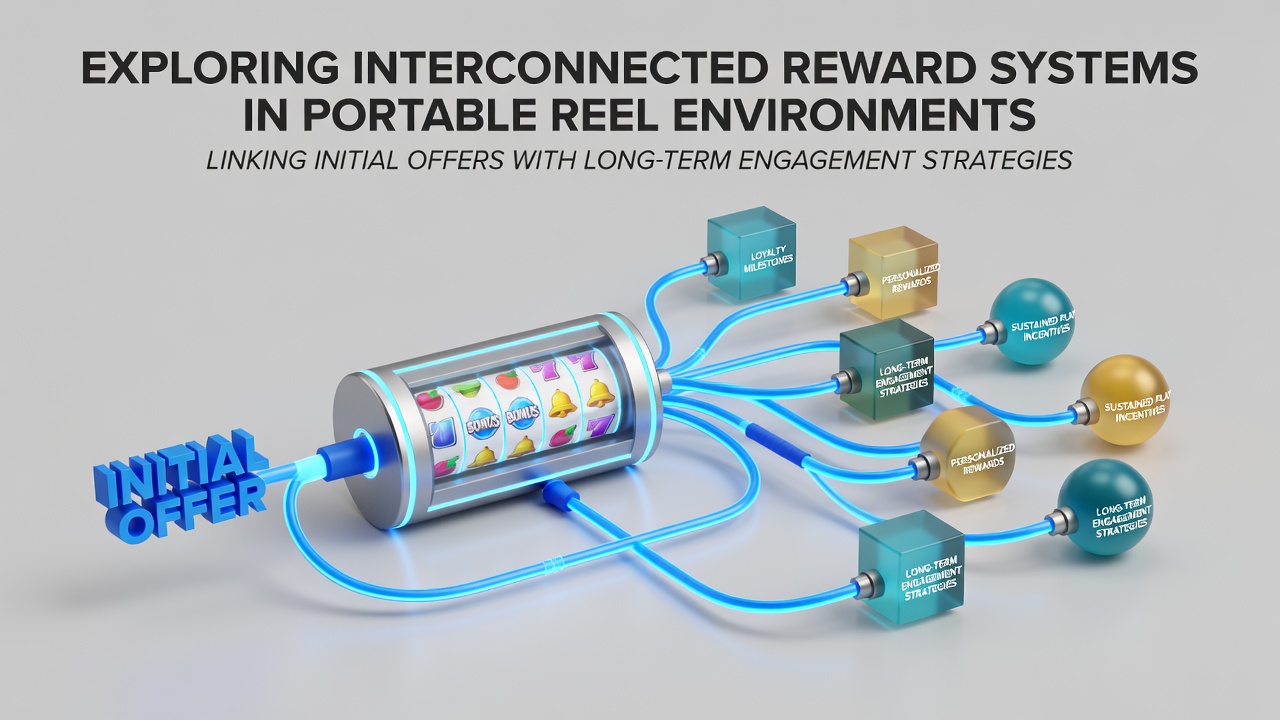
Portable reel platforms integrate multiple reward layers that begin with entry-level incentives and extend into structured retention programs, creating pathways where players move from initial trials into ongoing participation cycles. Observers note that these networks rely on sequenced mechanics where early offers such as free spin allocations trigger subsequent deposit-linked promotions, which in turn feed into loyalty tracking systems that monitor play volume and session frequency.
Mechanics of Entry-Level Incentive Structures
Initial offers in mobile reel applications operate through automated verification processes that grant access without requiring upfront deposits, allowing users to test game libraries under predefined conditions. Data from industry tracking services shows these entry points often link directly to account registration flows, where players receive limited spin credits that convert into playable balances once eligibility checks clear. Research indicates that such structures incorporate time-bound activation windows, typically spanning 24 to 72 hours, after which unused portions expire and redirect attention toward follow-up promotions.
Those who've examined platform architectures find that these starting incentives embed tracking identifiers that carry forward into later stages, recording metrics like spin completion rates and average bet sizes. This data collection supports the transition into deposit-matched offers, where platforms scale rewards based on the volume of initial engagement recorded during the no-cost phase.
Progression Pathways Linking Deposits and Retention
Once players complete initial offer cycles, systems activate deposit integration modules that match added funds against predefined ratios while incorporating return-to-player percentages visible in game selections. Figures reveal that these modules frequently bundle free spin remnants from the entry stage with new deposit rewards, forming combined balances that extend play sessions across multiple titles. What's interesting is how portable environments synchronize these elements through push notifications timed to coincide with balance thresholds, prompting users to maintain momentum without abrupt interruptions.

According to reports issued by the American Gaming Association, mobile platforms in regulated markets recorded a 14 percent increase in deposit conversion rates during the first half of 2026 when initial offers included embedded loyalty identifiers. This linkage allows retention algorithms to adjust reward tiers dynamically, shifting players from basic deposit matches into escalating structures that track cumulative activity over weeks or months.
Loyalty Integration and Sustained Engagement Models
Long-term frameworks build upon the data harvested from early stages by assigning point values to spins, deposits, and session durations, which accumulate toward tiered benefits such as cashback percentages and exclusive game access. Studies from research institutions in Canada demonstrate that players who progress through these tiers exhibit session lengths averaging 22 minutes longer than those who engage only with isolated promotions. Platforms achieve this continuity by embedding loyalty counters directly into the portable interface, displaying real-time progress that encourages repeated logins.
One study revealed that interconnected systems in Australian markets during June 2026 incorporated predictive elements, where algorithms forecasted player drop-off points and inserted targeted loyalty boosts to sustain activity. These interventions draw from patterns established during the initial offer period, ensuring that retention tactics align with demonstrated preferences rather than generic schedules.
Regulatory Context and Platform Adaptations in Mid-2026
Regulatory bodies across multiple jurisdictions, including updates from the Nevada Gaming Control Board, emphasize transparent disclosure of how initial offers feed into loyalty calculations, requiring platforms to present terms in accessible formats within mobile applications. Observers note that compliance with these standards has prompted developers to refine tracking systems so that progression pathways remain visible and auditable throughout the engagement lifecycle.
Industry organizations report that platforms adapting their networks to these requirements saw improved retention metrics, with loyalty program enrollments rising by double-digit percentages in markets where disclosure standards took effect earlier in the year. This adaptation maintains the flow from entry incentives through deposit stages into sustained models without disrupting player experience continuity.
Conclusion
Interconnected reward systems in portable reel environments function as sequenced networks where initial offers establish foundational data points that support transitions into deposit-linked and loyalty-based stages. Evidence from regulatory and research sources confirms that these linkages rely on automated tracking and timed interventions to maintain engagement across extended periods. As platforms continue to refine these structures, the emphasis remains on measurable progression metrics that connect early interactions with prolonged participation patterns.