Mapping Layered Reward Sequences Across Digital Gaming Platforms
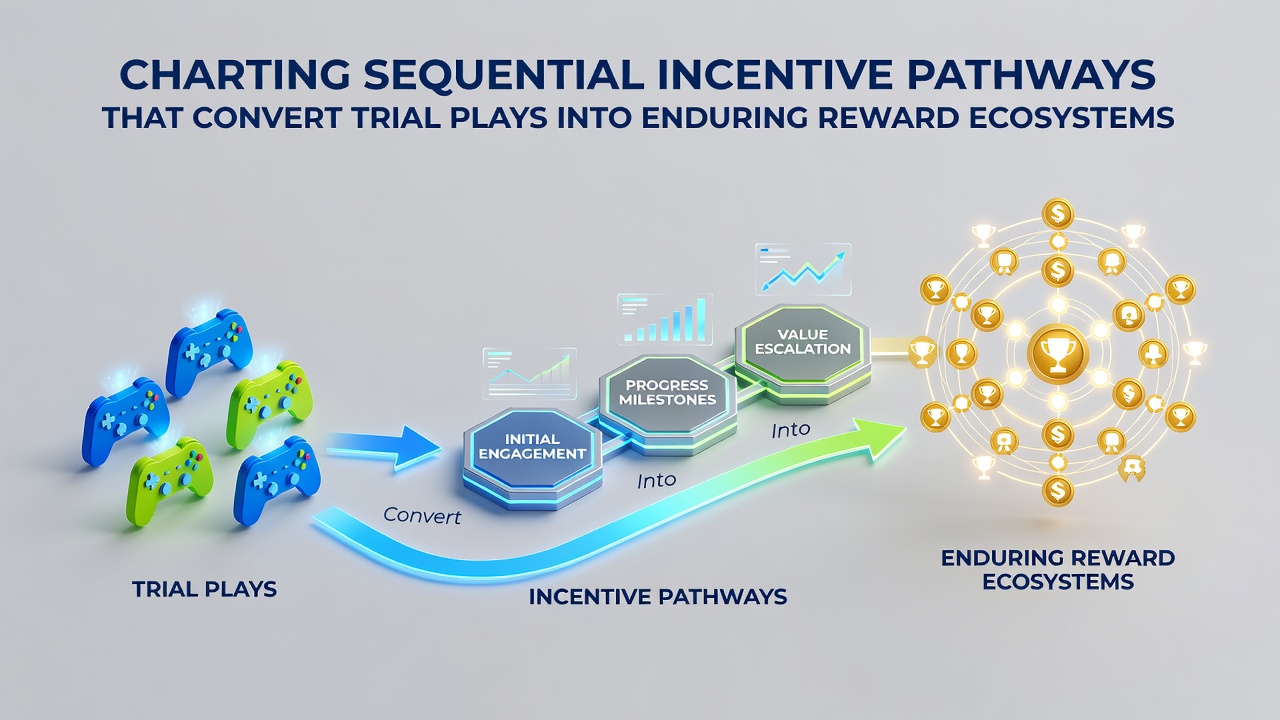
Digital gaming operators have developed structured sequences that begin with trial engagements and extend into comprehensive reward networks, and these frameworks rely on data-driven triggers that activate at specific player milestones. According to industry analyses from the Nevada Gaming Control Board, platforms track initial free-play sessions to identify patterns that inform subsequent offers such as deposit incentives or multiplier events, which then feed into tiered loyalty structures.
Initial Trial Mechanisms and Conversion Triggers
Trial plays often serve as entry points where operators deploy limited-time credits or spins, and systems monitor completion rates alongside session duration to determine eligibility for escalation. Research from the University of Nevada's gaming studies department shows that players who engage with at least three consecutive trial rounds demonstrate higher progression rates into funded accounts, prompting automated sequences that introduce matched deposits or bonus rounds calibrated to individual behavior profiles.
Operators integrate these early signals with backend algorithms that adjust offer values in real time, and this approach allows platforms to maintain engagement without uniform distribution across all users. Data from the Australian Communications and Media Authority indicates similar patterns in licensed venues where trial-to-deposit transitions occur within the first 48 hours for a measurable segment of participants.
Progressive Deposit Layers and Multiplier Integration
Once trial activity establishes baseline metrics, sequences advance to deposit-linked stages that incorporate percentage matches or free-spin allocations tied directly to funded amounts. These layers operate through conditional releases where each deposit unlocks additional value only after prior conditions are satisfied, creating a chained progression that encourages repeated interactions.
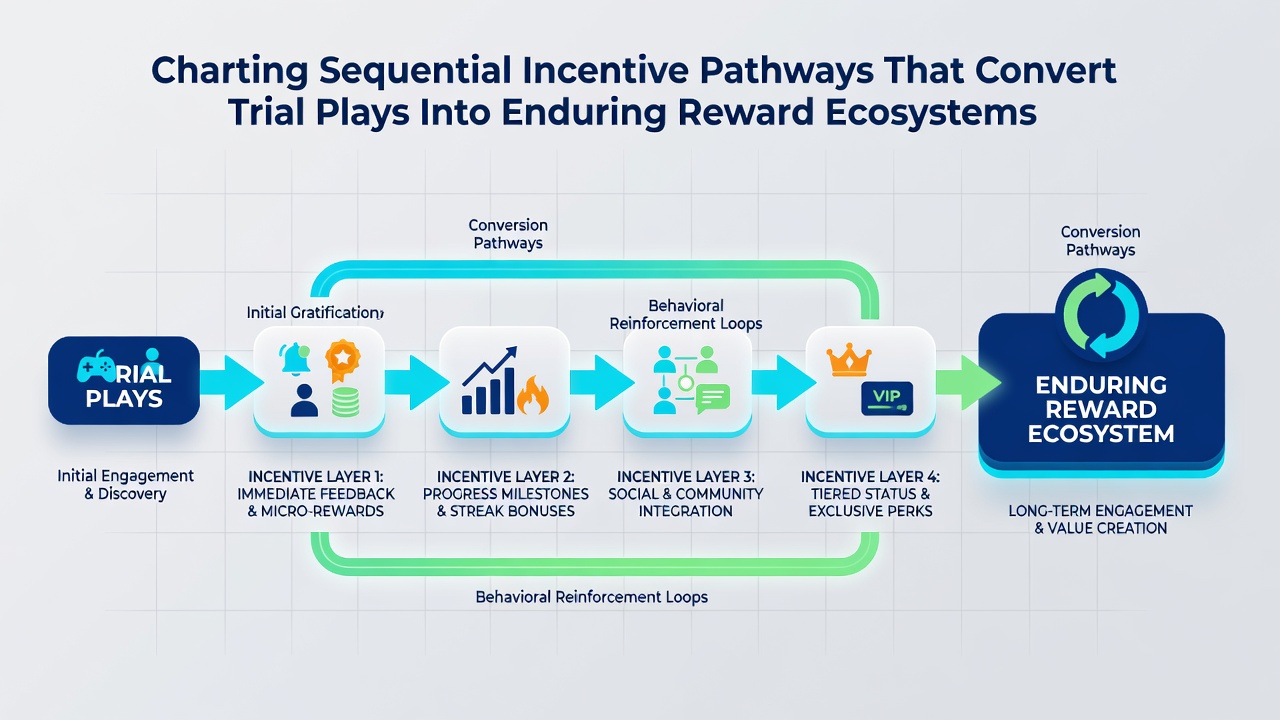
Platforms frequently embed RTP-related enhancements within these stages, and such modifications appear in game selections that highlight elevated return percentages during promotional windows. Observers note that June 2026 updates across several international markets introduced refined tracking for these multiplier events, allowing operators to refine sequences based on aggregate performance data collected through the first half of the year.
Loyalty Ecosystem Development and Retention Pathways
Enduring reward systems emerge once players accumulate sufficient activity points from earlier stages, and these systems feature escalating benefits such as personalized cashback rates, exclusive event access, and tiered status upgrades. European gaming associations have documented how sequential models link initial trials to long-term participation by distributing rewards across multiple touchpoints rather than concentrating value in single offers.
Case examples include programs where accumulated trial data directly influences loyalty tier placement, and participants advance through levels that unlock compounding advantages like accelerated point earnings or dedicated support channels. Industry reports emphasize that these ecosystems rely on continuous data feedback loops to sustain momentum, with adjustments applied monthly to align incentives with observed retention curves.
Cross-Platform Adaptations and Regulatory Contexts
Global operators adapt these sequences for mobile and desktop environments alike, incorporating location-specific rules that govern offer visibility and redemption windows. Canadian provincial regulators have highlighted frameworks where trial incentives transition into loyalty programs under strict audit requirements, ensuring transparency in how progression criteria are communicated to users.
What's notable is the role of third-party analytics providers that supply standardized metrics across jurisdictions, enabling operators to benchmark their sequences against broader industry performance. Such collaborations help refine pathways without disrupting established player flows, and they support compliance with varying regional standards on promotional disclosures.
Conclusion
Sequential incentive structures continue to evolve through integrated tracking and conditional releases that guide participants from initial trials into sustained reward networks. Figures from multiple regulatory bodies demonstrate consistent application of these models across licensed operations, while academic and industry research provides ongoing insights into optimization techniques. The architecture remains dependent on precise milestone monitoring and adaptive offer delivery to maintain functional ecosystems over extended periods.