Interconnected Slot Rewards: Mapping the Progression Across Multiple Promotion Layers
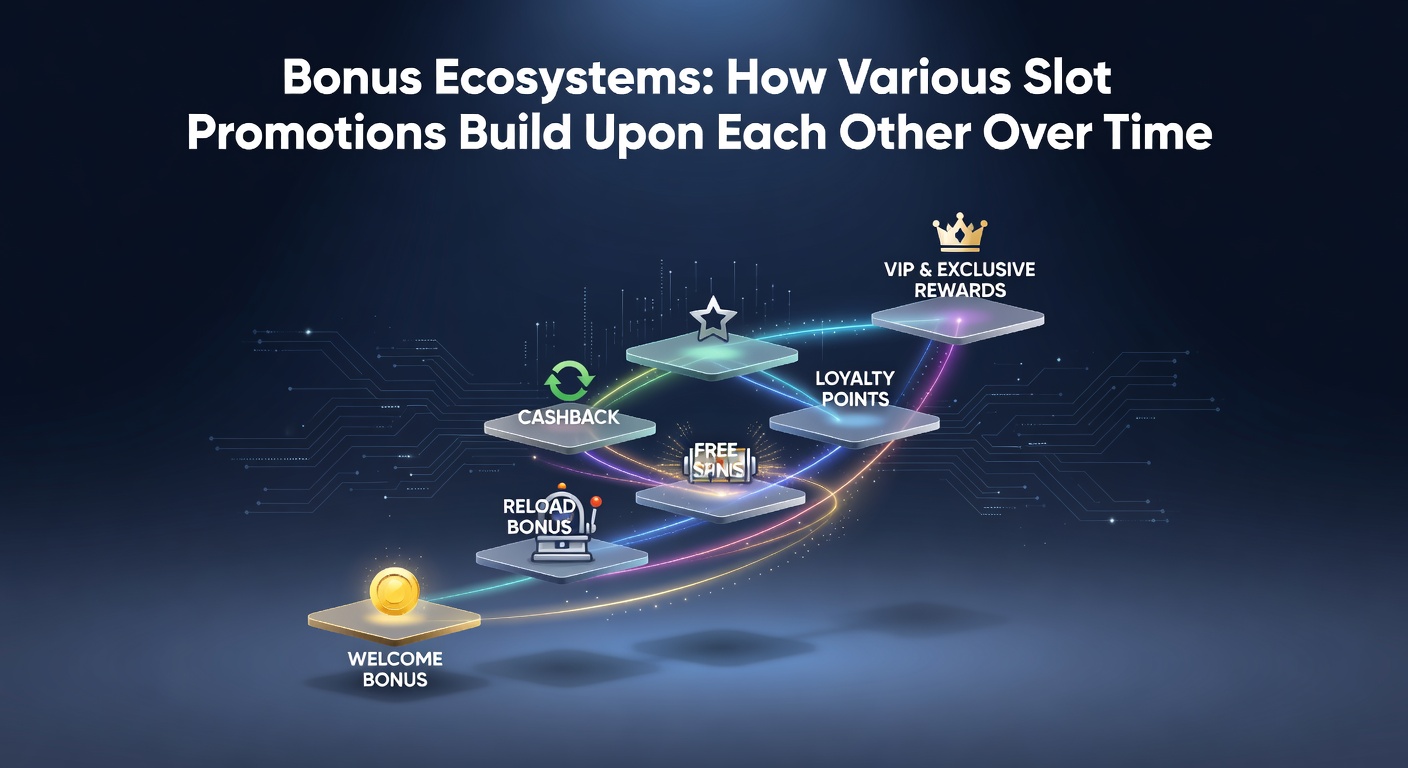
Slot operators construct layered promotion systems that guide players from initial engagement through sustained participation, and these structures rely on sequenced offers rather than isolated incentives. Entry-level rewards such as no-deposit spins introduce users to game mechanics while data collection systems track preferences and play patterns that inform subsequent targeting.
Initial Entry Points and Data Foundations
Operators deploy no-deposit bonuses as low-barrier access tools that record session lengths, preferred titles, and average bet sizes; this information feeds into algorithms that determine eligibility for later offers. Research from the University of Nevada's International Gaming Institute shows that players who complete an initial no-deposit cycle demonstrate higher retention rates when follow-up promotions align with observed behavior patterns.
Transition to Deposit-Based Incentives
Once engagement metrics reach defined thresholds, systems activate deposit match promotions calibrated to individual deposit histories and game selections. These matches often incorporate wagering requirements that reference the same data points collected earlier, creating continuity between phases. The sequence allows operators to adjust contribution percentages on specific games, guiding play toward titles with particular RTP profiles or volatility levels that match the player's established profile.
Loyalty Accumulation and Tier Progression
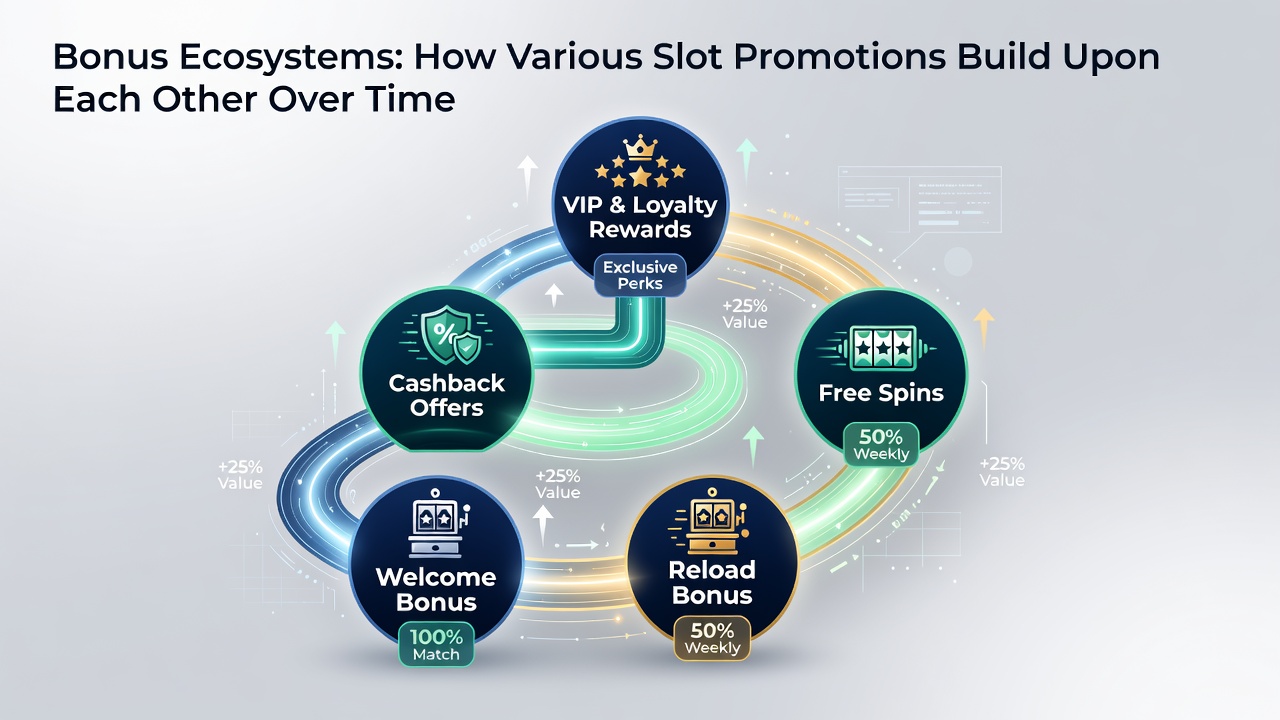
Loyalty programs integrate directly with prior stages by converting activity from deposit matches and free spin redemptions into tier points. Points systems accumulate across months, unlocking escalating benefits such as personalized reloads, cashback percentages, and exclusive tournament access. Reports from the American Gaming Association indicate that tier advancement correlates with sustained play volume, as each new level resets or modifies the conditions for the next reward cycle.
Seasonal events and limited-time campaigns slot into this framework without disrupting the underlying progression. June 2026 saw several operators launch mid-year loyalty accelerators that applied bonus multipliers to existing point balances, allowing players already in mid-tier programs to accelerate toward higher rewards through targeted play on designated Megaways titles. These accelerators referenced historical data from earlier promotion layers to set qualifying criteria.
Technical Integration and Compliance Factors
Backend systems link promotion stages through unified player accounts that enforce consistent identity verification and spending limits across all offer types. Regulatory frameworks in multiple jurisdictions require transparent communication of how one promotion feeds into another, particularly regarding wagering contributions and expiry conditions. External audits examine these linkages to confirm that combined offers do not create unintended advantage calculations that exceed permitted thresholds.
Player Pathways and Outcome Tracking
Observers note that players who follow the full sequence often encounter compounding effects where early free spin winnings contribute to deposit thresholds, which in turn accelerate loyalty point accrual. Case examples documented in industry reports illustrate accounts moving from zero-balance entry to VIP status within defined timeframes when each layer activates on schedule. Tracking tools provided by platforms display cumulative progress across these stages, showing how individual offers connect within the broader ecosystem.
Conclusion
Bonus ecosystems in slot gaming operate as interconnected sequences where each stage builds upon data and activity from previous ones. Operators refine these pathways through performance metrics while regulatory oversight ensures transparency in how promotions reference and extend one another over extended periods. The structure continues to evolve as new game formats and compliance requirements emerge.